- 01642 456167
- |
- info@erwltd.co.uk
- |
- Brochure
- |
- Blog
- |
- About
- |
- Colour Chart


This article was published on August 20, 2026
Replacing your windows can improve your home’s appearance, energy efficiency, security and comfort. But before ordering new windows, it’s important to check whether you need planning permission.
For many homes, planning permission isn’t required to replace existing windows, particularly where the new windows are similar in appearance and design to the originals. However, different rules can apply to listed buildings, conservation areas and properties affected by an Article 4 Direction.
In many cases, replacing existing windows falls under permitted development rights, meaning you can carry out the work without making a planning application.
However, permitted development rights aren’t the same for every property. Restrictions can apply depending on where your home is located, whether it is listed and whether the proposed replacement windows significantly change the property’s appearance.
If you’re unsure, it’s best to check with your local planning authority before starting work.
If your home is a listed building, you may need listed building consent before replacing the windows.
Original windows can form an important part of a building’s historic and architectural character. Replacing them with different materials, designs or proportions may affect that character, so consent may be required even where ordinary planning permission isn’t.
For this reason, repairing or refurbishing existing timber windows can often be a better option than replacing them completely.
At ERW, we regularly work on listed buildings and can repair issues such as rotten timber, damaged glazing, broken sash cords and draughts while retaining as much of the original window as possible.
Being in a conservation area doesn’t automatically mean you need planning permission to replace your windows.
However, additional restrictions can apply, particularly where an Article 4 Direction is in place. These directions can remove certain permitted development rights to help protect the character of an area.
If you’re replacing traditional windows in a conservation area, check with your local planning authority before proceeding.
Changing the material of your windows can affect the appearance of a period property.
Replacing traditional timber windows with uPVC may alter the proportions, detailing or character of the building. This can be particularly significant for listed buildings and properties in conservation areas.
For period properties, bespoke timber windows can provide an alternative that retains traditional character while incorporating modern glazing, security and thermal performance.
Yes. Planning permission and Building Regulations are separate requirements.
Even if planning permission isn’t required, replacement windows may still need to meet relevant Building Regulations requirements. These can include:
Your window installer should be able to advise you on the applicable requirements and ensure the installation complies with current standards.
Yes. Replacing your windows isn’t always the best option, particularly if you have traditional timber windows that are still structurally sound.
Depending on their condition, existing windows can often be improved through:
These options can improve energy efficiency and comfort while retaining the original appearance of your property.
Before ordering new windows, check:
For many homes, you won’t need planning permission to replace existing windows with similar windows. However, listed buildings, conservation areas and Article 4 Directions can change the situation.
If your property has traditional timber or sash windows, it’s also worth considering repair, refurbishment or specialist glazing before replacing them completely.
Planning requirements can vary between properties and local authorities, so if you’re unsure, check with your local planning department before starting work.
ERW has been manufacturing, repairing and restoring timber windows since 1979. We work with period properties, listed buildings and homes within conservation areas, providing solutions ranging from sash window repair and refurbishment to bespoke timber window replacement.
If you’re unsure whether your existing windows should be repaired, upgraded or replaced, our experienced team can assess your windows and help identify the most appropriate solution for your property.
Making a listed building more energy efficient can be challenging. Older properties were built using traditional materials and construction methods that are very different from modern homes, while original windows, doors and other features may be protected because of their historic importance. However, being a listed building doesn’t mean you have to accept draughts, heat […]
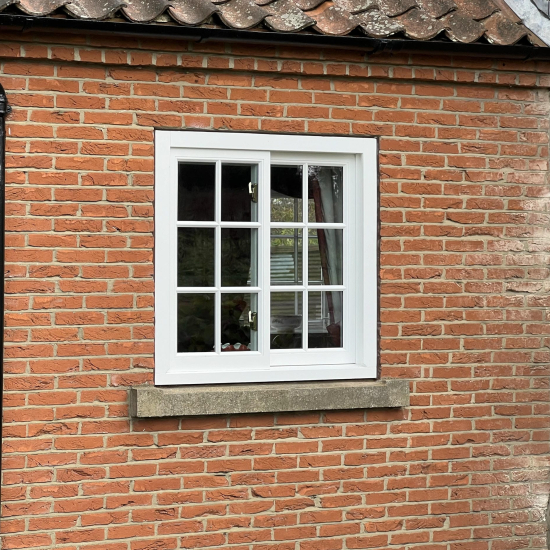
If your sash windows rattle when it is windy, you may be dealing with a relatively simple issue that can often be repaired. Loose components, worn sash cords, gaps around the frame or movement within the window can all create rattling noises. Older timber sash windows can develop these problems over time, particularly where components […]
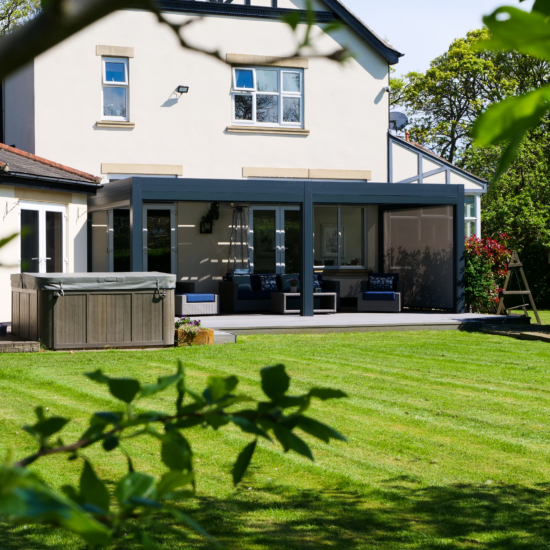
North East company ERW Joinery are inviting homeowners to visit their Middlesbrough showroom this October for a special three-day Open Weekend. Taking place from Friday 16th to Sunday 18th October, the event will give visitors the opportunity to explore ERW’s range of bespoke timber windows, doors and outdoor living products, meet the team and discuss ideas […]
We had our door fitted yesterday and we are thrilled with it!!
Thank you so much for all your help with the design process. We felt very well supported with this major purchase. You guided us sensitively and listened to what we wanted. And now we have our design and are very happy indeed
Mr & Mrs Robinson, Stockton
Workmen cleaned up any mess as they went along and left no mess what so ever at the end. They were diligent and I would certainly recommend this company and I intend on using ERW again.
Mr & Mrs H, Newcastle Upon Tyne
The standard of quality of the work done is so good that I can only use one word to crown it – PERFECT! My wife and I hope you will continue to provide such an exemplary piece of work which will no doubt earn you more customers. We are happy to recommend you to everyone we know.
Dr S, Darlington
Our whole experience with ERW joiners has been absolutely first class. Our first meeting was a showroom appointment with Stuart Wall, I personally loved the showroom straightaway, the colours of the sample doors blew me away.
To the skilled craftsmen of joiners who made our front door, who we have not met, but who we will forever be grateful too – their craftsmanship is beyond compare – thank you so very much.
Mrs Lister








Brochure Download
We're not able to carry out installations in your postcode area, however, we can still design and create your door, and you can liaise with a local fitter in your area to install it.
Close